

30 July, 2026
How to Rank on ChatGPT (What Actually Works in 2026)
Everyone wants to rank on ChatGPT.
The problem is, almost everyone is optimising for the wrong thing.
If you’ve Googled “How to rank on ChatGPT,” you’ve probably come across articles telling you to add AI keywords, write more blog posts or sprinkle “ChatGPT SEO” across your website.
That’s not how it works.
Unlike Google, ChatGPT doesn’t have a public ranking algorithm. There isn’t a Search Console where you can monitor your “ChatGPT rankings.” There isn’t a magic meta tag that tells AI to recommend your business.
So why do some businesses keep showing up in ChatGPT answers while others never get mentioned?
That’s the question I’ve been trying to answer.
Over the past year, I’ve spent a lot of time analysing AI-generated responses across ChatGPT, Gemini, Claude and Perplexity. I’ve also been applying what I’ve learned to client websites, testing what increases the chances of being referenced when people ask AI for recommendations.
One thing became clear very quickly.
The businesses appearing in AI search aren’t necessarily the ones chasing AI. They’re the ones that have become the most trusted source in their niche.
That changes the entire conversation.
This isn’t about gaming another algorithm.
It’s about becoming the answer.
In this guide, I’ll walk you through what actually works in 2026, what myths you can safely ignore, and the exact strategy I’m using to help businesses prepare for the next generation of search.
Table of Contents
ToggleBefore We Begin, Let’s Clear Up the Biggest Misconception
The title of this article is “How to Rank on ChatGPT.”
But technically…
You don’t.
At least, not in the way you rank on Google.
When someone searches Google, they’re shown a list of webpages.
When someone asks ChatGPT a question, they’re given an answer.
Sometimes that answer includes links.
Sometimes it cites websites.
Sometimes it recommends businesses.
Sometimes it combines information from several different sources into one response.
Your goal isn’t to become position #1.
Your goal is to become one of the sources AI trusts enough to include in its answer.
It’s a subtle difference, but it changes everything.
Because instead of asking,
“How do I beat my competitors?”
You start asking,
“Why would an AI trust my website over everyone else’s?”
That’s a much smarter question.
How Does ChatGPT Actually Find Information?
Let’s get one thing out of the way.
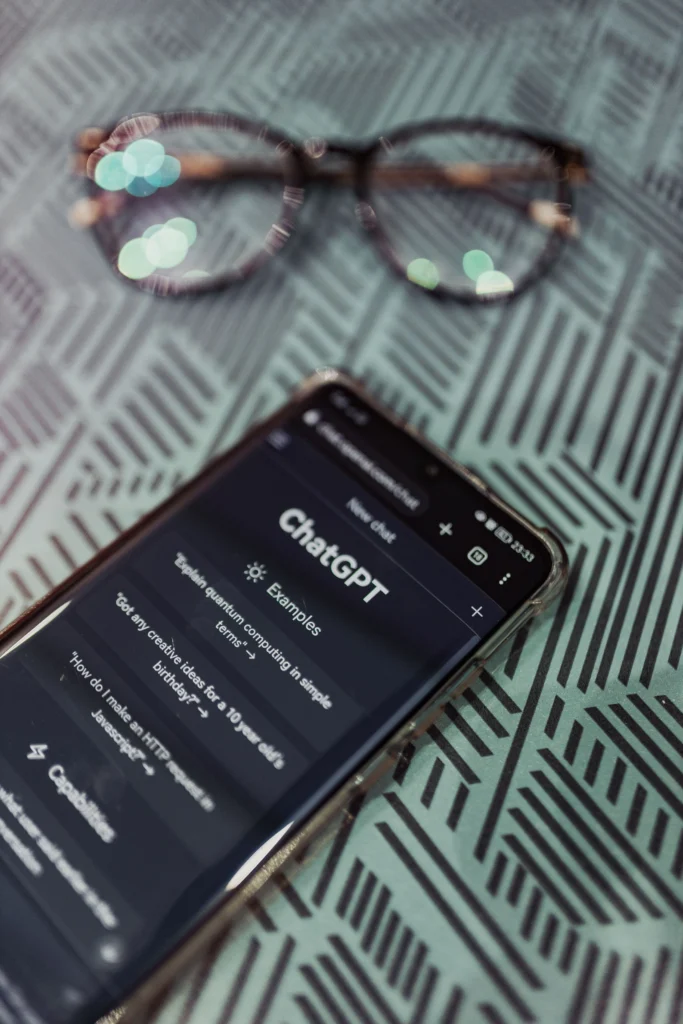
ChatGPT doesn’t crawl your website every morning looking for new blog posts.
Depending on the question, it may answer using:
- Its trained knowledge
- Live web search (when available)
- Trusted websites
- Official documentation
- Well-known publications
- Structured information it can understand
- Multiple sources combined into one response
In other words…
AI isn’t looking for websites that say the same thing.
It’s looking for websites that help it produce the best answer.
Think about it this way.
Imagine ChatGPT is writing a university assignment.
Would it reference a random blog that repeats what everyone else is saying?
Or would it reference the source that explains the topic better than anyone else?
Exactly.
That’s the opportunity.
The New Goal Isn’t Ranking. It’s Being Referenced.
This is where most businesses get stuck.
They ask,
“How do I get ChatGPT to mention my company?”
The better question is,
“Why would ChatGPT choose my company?”
Those are two very different problems.
Let’s imagine someone asks:
“Who is the best SEO consultant for healthcare businesses?”
If your website has:
- one service page,
- three AI-written blogs,
- no case studies,
- no original research,
- and nothing proving you’ve actually worked with healthcare clients…
…why should an AI recommend you?
Now compare that with another consultant who has:
- detailed healthcare guides,
- client success stories,
- practical frameworks,
- expert opinions,
- industry-specific content,
- interviews,
- guest articles,
- and a consistent digital footprint.
Even if both people offer the same service…
One clearly demonstrates expertise.
The other simply claims it.
AI is becoming much better at recognising that difference.
The A.I.M. Framework
After spending months testing different websites, one pattern kept appearing.
The businesses that consistently showed up in AI-generated responses weren’t doing one thing differently.
They were doing several things exceptionally well.
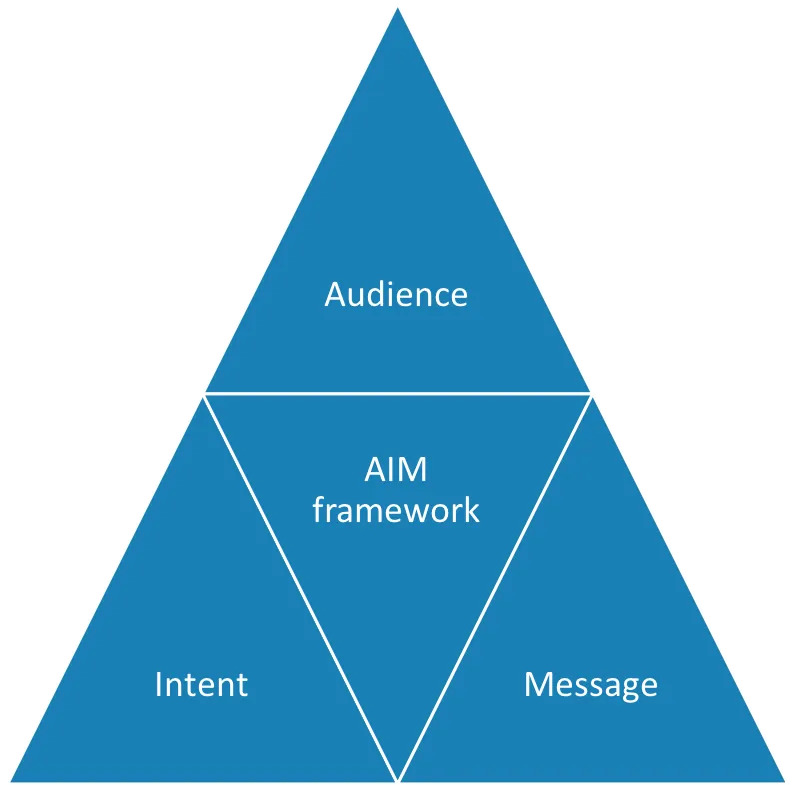
That’s why I now think about AI visibility using something I call the A.I.M. Framework™.
Every business that wants to increase its chances of appearing in ChatGPT should focus on three things.
A = Authority
Authority isn’t about saying you’re an expert.
It’s about proving it.
AI looks for signals that tell it your business genuinely knows what it’s talking about.
Those signals include:
- Deep educational content
- Real client work
- Original insights
- Consistent publishing
- Industry recognition
- Strong topical authority
- Mentions from trusted websites
The more evidence you provide, the easier it becomes for AI to understand what your business is known for.
I = Information
This is where most websites fail.
They publish content.
They don’t publish useful information.
There’s a difference.
Imagine you’re searching for:
How to rank on ChatGPT
Would you rather read:
“Publish quality content and build backlinks.”
Or would you rather read an article that explains:
- how AI retrieves information,
- what it actually trusts,
- common mistakes,
- examples from real businesses,
- and practical steps you can take this week?
One gives advice.
The other gives understanding.
AI tends to favour the second.
M = Mentions
Here’s something many people overlook.
Your website isn’t the only place AI learns about your business.
It also looks at what the rest of the internet says about you.
That includes:
- Industry publications
- Guest articles
- Interviews
- Podcasts
- News coverage
- Professional directories
- Conference websites
- Genuine customer reviews
Think about your own decision-making.
If ten respected websites mention the same company positively, you’re more likely to trust them.
AI works in a surprisingly similar way.
It doesn’t rely on a single source.
It builds confidence by seeing the same signals repeated across multiple trustworthy places.
Why Traditional SEO Still Matters More Than Ever
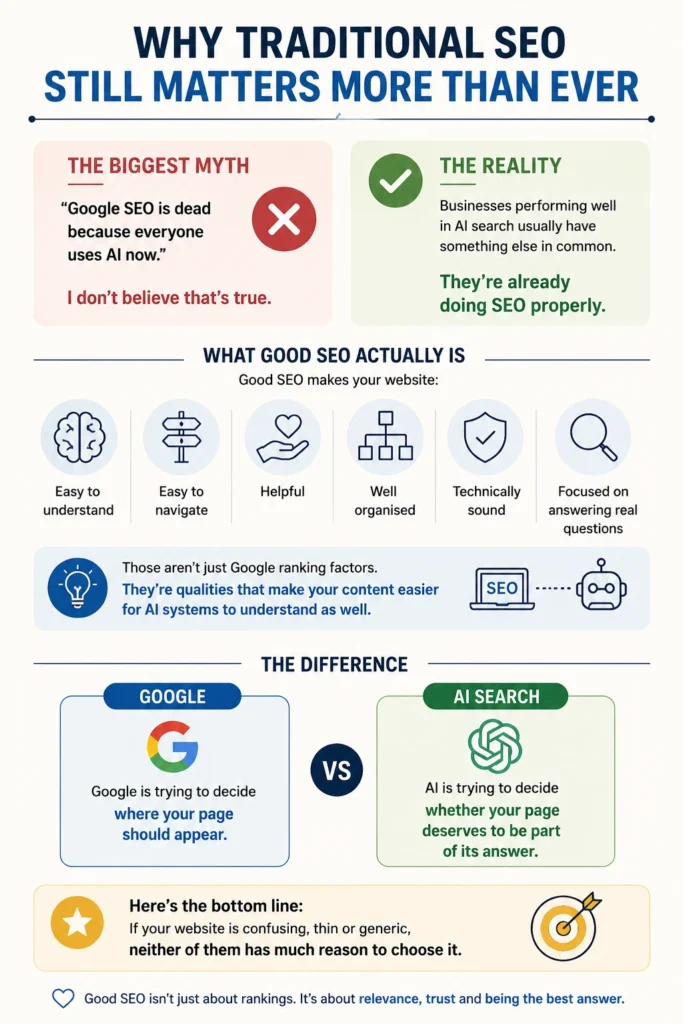
One of the biggest myths I’ve heard this year is:
“Google SEO is dead because everyone uses AI now.”
I don’t believe that’s true.
In fact, the businesses performing well in AI search usually have something else in common.
They’re already doing SEO properly.
Think about what good SEO actually is.
It’s making your website:
- Easy to understand
- Easy to navigate
- Helpful
- Well organised
- Technically sound
- Focused on answering real questions
Those aren’t just Google ranking factors.
They’re qualities that make your content easier for AI systems to understand as well.
The difference is this:
Google is trying to decide where your page should appear.
AI is trying to decide whether your page deserves to be part of its answer.
And if your website is confusing, thin or generic, neither of them has much reason to choose it.
The Biggest Mistake Businesses Are Making
Every week, I audit websites that want to “rank on ChatGPT.”
Most of them are making the same mistake.
They’re trying to optimise for ChatGPT before they’ve become an authority in their own industry.
They’ll publish ten articles with titles like:
- ChatGPT SEO Tips
- AI SEO Guide
- How to Optimise for AI
- Future of Search
But ask them one simple question.
“Can you show me a real client result?”
Silence.
Or ask:
“Have you published anything your competitors haven’t?”
Again…
Silence.
The truth is, AI doesn’t need another recycled blog post.
It needs sources that contribute something new to the conversation.
That could be:
- Original research
- Industry data
- Client case studies
- First-hand experience
- A unique framework
- Step-by-step processes
- Practical templates
That’s the kind of content people reference.
And increasingly, it’s the kind of content AI references too.
How to Build a Website ChatGPT Actually Understands
Imagine I asked ChatGPT:
“Recommend a digital marketing consultant for healthcare businesses in Australia.”
Now imagine your website is one of the possible sources.
Would it immediately understand:
- What you do?
- Who you help?
- Where you work?
- Why you’re different?
- Whether you’ve actually done this before?
If the answer is “not really,” that’s your first problem.
One thing I’ve noticed while auditing websites is that many business owners write for themselves instead of for clarity.
Their homepage says things like:
Helping businesses grow.
That sounds nice.
It also tells AI almost nothing.
Now compare that to:
Healthcare SEO Consultant helping clinics increase patient enquiries through SEO, content marketing and website strategy.
Within one sentence, you’ve explained:
- your service,
- your niche,
- and the outcome.
That’s much easier for both people and AI systems to understand.
Action step: Read your homepage out loud. If someone who has never heard of your business can’t explain what you do in 10 seconds, simplify it.
Stop Chasing Keywords. Own a Topic.
One thing that’s completely changed the way I think over the past few years..
I don’t try to rank a page anymore.
I try to own a topic.
Let’s say you’re an employment lawyer.
Most firms publish one article called:
Employment Law Guide
Then they wonder why they don’t become the authority.
Instead, imagine building an entire library around employment law.
You cover:
- Unfair dismissal
- Workplace discrimination
- Redundancy
- Employment contracts
- Workplace investigations
- Employee rights
- Employer obligations
- Case studies
- FAQs
Now you’re no longer another law firm with a blog.
You’re becoming a recognised source on that subject.
This is called topical authority, and while no AI company publishes a checklist saying “do this and you’ll be cited”, comprehensive expertise makes your content more useful to both search engines and AI assistants.
When I plan content for clients, I don’t ask,
“What keyword should we target next?”
I ask,
“If someone spent an afternoon learning about this topic, could they do it entirely from our website?”
If the answer is no, we keep building.
Create Content That Nobody Else Can Write
Here’s a simple exercise.
Open Google.
Search your target keyword.
Read the first five articles.
Now ask yourself:
Could I swap the logos and nobody would notice?
Most of the time…
Yes.
They’re saying exactly the same thing.
That’s your opportunity.
Instead of writing another article called:
10 SEO Tips
Write something only you could write.
For example:
- What you’ve learned after auditing 100 websites.
- The biggest mistake healthcare clinics make before hiring an SEO consultant.
- How a small change to a service page doubled enquiries.
- What happened after restructuring a client’s content.
Those insights can’t be copied because they’re based on experience.
And that’s exactly what makes them valuable.

Case Studies Are Becoming More Valuable Than Ever
This is one strategy I think many businesses still underestimate.
Anyone can say:
“We’re experts.”
Far fewer can prove it.
A detailed case study shows:
- the challenge,
- the strategy,
- what changed,
- and what happened afterwards.
It demonstrates experience in a way a sales page never can.
For example, on my own website, I don’t just talk about SEO or website strategy.
I also share the thinking behind real client projects, explaining the problems we solved, the decisions we made and the outcomes we were aiming for.
That gives potential clients confidence because they’re seeing the process, not just the promise.
If you don’t have dramatic traffic increases to show, that’s okay.
Document:
- your strategy,
- your reasoning,
- the improvements,
- and the lessons.
People trust transparency.
Here’s What I’ve Been Testing With Clients
Everything I’ve shared so far comes from studying how AI search is evolving.
But I didn’t want to stop there.
I wanted to see how these ideas worked in the real world.
So I started applying the same principles to client websites.
Instead of creating dozens of average blog posts, we focused on becoming the best source on the topics that mattered most to their audience.
That meant:
- building content clusters instead of isolated articles,
- improving website structure,
- creating genuinely helpful resources,
- publishing detailed case studies,
- and strengthening internal linking.
An interesting pattern started to emerge.
When we asked AI tools highly specific questions related to those businesses, they became more likely to surface relevant content or mention those brands in appropriate contexts.
Not every query.
Not every time.
And certainly not because we found a shortcut.
But because the websites had become significantly easier to understand and offered information worth referencing.
That’s the lesson.
The goal isn’t to optimise for ChatGPT.
The goal is to build a website that’s genuinely useful enough to be included when AI generates answers.
Think Like a Researcher, Not a Marketer
This is the advice I give almost every client.
Before you publish anything, ask yourself one question.
If I removed my logo, would this still be the best article on the internet about this topic?
If the answer is no…
Don’t publish it yet.
Add:
- a real example,
- a practical checklist,
- a screenshot,
- a client story,
- a framework,
- or a mistake you’ve learned from.
That’s usually the difference between content people skim and content they save.
And the content people save is far more likely to earn links, shares and long-term visibility.

Five Things We’re Doing Differently for Clients
As AI search becomes more important, my strategy has evolved too.
Today, every content strategy I build is designed around five principles.
1. We build topic clusters, not random blogs.
Every article strengthens another.
The website grows as a connected resource instead of a collection of unrelated posts.
2. We publish content that’s worth citing.
Anyone can summarise existing information.
We’re looking for opportunities to add new insights, examples and first-hand experience.
3. We focus on trust before traffic.
Traffic is great.
But trust is what turns readers into enquiries.
4. We structure websites for clarity.
Every page should clearly answer:
- What do you do?
- Who do you help?
- Why should someone choose you?
5. We optimise for people first.
If a human finds your content genuinely helpful, you’re giving both search engines and AI assistants a much stronger reason to surface it.
Is Your Website Ready for AI Search?
There’s a common belief that AI search isn’t urgent yet. I think that’s exactly where people are getting it wrong.
I think that’s a mistake.
People are already asking ChatGPT questions like:
- “Who’s the best family lawyer in Melbourne?”
- “Recommend an SEO consultant for healthcare clinics.”
- “What’s the best perfume packaging company in Dubai?”
- “Who should I hire for local SEO?”
Those aren’t hypothetical searches anymore.
They’re happening every day.
The question isn’t whether AI search will become important.
It’s whether your business will be part of the conversation when it does.
A Practical AI Visibility Checklist
If I were auditing your website today, these are the things I’d check first.
✓ Can AI understand exactly what your business does?
If your homepage is full of vague marketing language like “Helping businesses grow” or “Innovative digital solutions”, rewrite it.
Be specific.
Tell people—and AI:
- What you do
- Who you help
- Where you work
- What outcomes you create
Are you building topic clusters?
One article won’t make you an authority.
Twenty connected articles might.
If you want to become known for Healthcare SEO, your website should cover:
- Healthcare SEO
- Local SEO for clinics
- Healthcare website design
- Medical content marketing
- Patient conversion
- Google Business Profile
- Healthcare case studies
- Healthcare AI search
Every article should strengthen another.
Have you published anything original?
Ask yourself:
What exists on my website that nobody else could write?
If the answer is “nothing”, that’s your biggest opportunity.
Original frameworks.
Real case studies.
Industry research.
Client lessons.
Personal experience.
That’s what earns trust.
Do other websites mention your business?
Your website shouldn’t be the only place talking about you.
Look for opportunities to contribute:
- Guest articles
- Podcasts
- Industry publications
- Interviews
- Conferences
- Local business websites
The more consistently your expertise appears across reputable sources, the stronger your overall online presence becomes.
Are you writing for people or algorithms?
This is my favourite test.
Read your article aloud.
Does it sound like a real person explaining something?
Or does it sound like it was written to impress Google?
If it feels robotic, your readers will notice.
And increasingly, AI systems are designed to surface content that’s genuinely helpful rather than mechanically optimised.
The Biggest AI Search Myths
Let’s clear up a few things.
Myth: AI search has replaced Google.
Not even close.
People still use Google for countless searches every day. AI is changing how people search, not eliminating traditional search overnight.
Myth: You need a ChatGPT plugin or special code.
No.
There’s no secret piece of code that makes ChatGPT recommend your business.
Strong content, clear structure and genuine expertise matter far more than gimmicks.
Myth: More AI-generated content means better visibility.
I’ve audited websites with hundreds of AI-written articles that receive almost no meaningful traffic.
Volume isn’t the advantage anymore.
Quality is.
Myth: Publishing one AI article is enough.
Authority isn’t built in a week.
It’s built by consistently becoming one of the best sources in your industry.
What I’m Seeing With Clients
One of the most interesting changes I’ve noticed over the last year isn’t higher rankings.
It’s better questions.
Clients are no longer asking me,
“How do I rank #1 on Google?”
They’re asking,
“Why isn’t ChatGPT recommending my business?”
That shift changes how I approach every strategy.
Today, when I’m planning a website, I don’t think about one search engine.
I think about how someone might discover that business through Google, ChatGPT, Gemini, Perplexity, voice assistants and whatever comes next.
That means creating websites that explain clearly, teach generously and demonstrate real expertise instead of simply claiming it.
Some of the businesses I’ve worked with are already beginning to appear in AI-generated responses for niche, industry-specific questions. We didn’t achieve that by chasing AI hacks. We achieved it by improving the fundamentals: building topical authority, creating original content, strengthening website structure and documenting real client work.
That’s the strategy I’m continuing to refine because I believe it’s far more sustainable than chasing every new algorithm update.

Then V/S Now
Five years ago, everyone wanted to rank on Google.
Today, people want to be recommended by AI.
The businesses that succeed won’t necessarily be the ones producing the most content.
They’ll be the ones creating the most trustworthy content.
If you spend your time becoming the business people genuinely want to reference, you’ll naturally increase your chances of being discovered—whether someone searches on Google, asks ChatGPT, or uses whatever AI platform comes next.
Algorithms will change.
Trust won’t.
About the Author
Hi, I’m Mahrukh Ashraf, founder of Mahrukh Ashraf Consulting.
I started this consultancy because I was frustrated by how many businesses were being sold marketing instead of strategy.
Too many agencies were chasing rankings, vanity metrics and the latest algorithm update, while business owners were left wondering why none of it translated into real enquiries.
I wanted to build something different.
Today, my team and I help businesses create digital strategies that are built for long-term growth—not just the next Google update.
We work with companies across industries including healthcare, legal services, manufacturing and professional services, helping them improve their visibility through SEO, website strategy, content marketing and, more recently, AI search optimisation.
But our work doesn’t start with keywords.
It starts with understanding the business.
Who are your customers?
What are they actually searching for?
Why should they choose you over someone else?
Only then do we build the content, website and SEO strategy around those answers.
As AI-powered search continues to change the way people discover businesses, we’ve evolved our approach too. Instead of helping clients optimise for a single search engine, we’re helping them build websites and content that are clear, authoritative and genuinely useful—qualities that matter whether someone finds you through Google, ChatGPT, Gemini or the next generation of AI search.
I believe great marketing isn’t about finding shortcuts.
It’s about becoming the business people trust enough to recommend.
If this guide helped you see AI search differently, that’s exactly why I started this business.
Want to Know If Your Business Is Ready for AI Search?
Most businesses don’t have an SEO problem.
They have a clarity problem.
Their website doesn’t clearly communicate what they do, who they help or why they’re the right choice. As a result, they struggle to earn trust from both people and search engines.
That’s where my team and I come in.
We help businesses build websites, content strategies and SEO foundations that are designed for the way people search today—and the way they’ll search tomorrow.
If you’re wondering why your competitors seem to be everywhere while your business is being overlooked, let’s find out why.
Book a strategy call, and we’ll review your website together. We’ll identify what’s holding your visibility back, where the biggest opportunities are, and what practical steps you can take to improve your presence across Google and AI-powered search.
Because ranking is great.
Being the business people—and AI—recommend is even better.
Frequently Asked Questions
Can you rank #1 on ChatGPT?
Not in the way you rank on Google. ChatGPT generates answers rather than displaying a fixed list of search results. Your goal is to increase the likelihood that your business or content is referenced when it’s relevant to the user’s question.
How do I get ChatGPT to recommend my business?
Focus on building authority in your niche. Publish original content, create detailed resources, document real client work, strengthen your website structure and earn mentions from reputable websites. While no one can guarantee recommendations, these steps improve your overall online credibility.
Does Google SEO help with ChatGPT?
Yes. Strong SEO makes your content easier to discover and understand. Clear site architecture, topical authority, technical SEO and high-quality content benefit both traditional search engines and AI-powered search experiences.
Is AI Search Optimisation different from SEO?
AI Search Optimisation builds on SEO rather than replacing it. SEO helps people find your content, while AI optimisation focuses on making that content useful enough to be referenced or recommended when AI generates answers.
Can a brand-new website appear in ChatGPT?
It can, but newer websites often need time to establish credibility. Publishing genuinely useful content, demonstrating expertise and building a consistent online presence can improve your chances over time.
Should I create a separate page for ChatGPT SEO?
Only if you can provide real value. Don’t create pages just because a keyword is trending. Build content that answers real questions and contributes something unique to the conversation.
Does ChatGPT use backlinks?
OpenAI hasn’t published a ranking algorithm that explains exactly how links influence responses. However, backlinks and brand mentions from reputable websites remain valuable because they strengthen your website’s authority and visibility across the web.
How often should I publish content for AI search?
Consistency matters more than frequency. One genuinely useful article each month will usually outperform four rushed articles that repeat information already available elsewhere.
How do I know if my AI search strategy is working?
Look beyond rankings. Monitor branded searches, organic traffic, referral traffic, mentions across the web, qualified enquiries and whether your content is being referenced or shared. These signals often tell a more meaningful story than a single keyword position.
Who Can Help Me Rank on ChatGPT?
If you’re serious about improving your visibility in AI-powered search, look for someone who understands both traditional SEO and how AI search is changing the way people discover businesses.
The goal isn’t simply to “rank on ChatGPT.” It’s to build a website and content strategy that makes your business more likely to be referenced when AI tools generate answers.
That’s exactly what I help businesses do.
At Mahrukh Ashraf Consulting, my team and I work with businesses to build topical authority, create content worth referencing, strengthen website structure, and develop long-term SEO strategies that support visibility across Google, ChatGPT, Gemini, Perplexity and other AI-powered search experiences.
Rather than chasing short-term hacks, we focus on building businesses that become trusted sources in their industry—because that’s what continues to work as search evolves.
If you’re looking for a partner to future-proof your online presence, I’d be happy to help. Book a strategy call and let’s discuss how we can position your business for the next generation of search.